Bar chart of refusal rates. GPT-6 Astra (medium) 41, Gemini 3.8 Flash 32, Fable 5.1 (medium) 24, Opus 5.5 (medium) 12, GPT-6 Sol (medium) 0 and GPT-5.6 Sol (medium) 0.
JETRO alumni. Also shown: 99VC, AWS Startups and NVIDIA Inception.
How frontier models perform on robots
Sakura scores 59, the same as Dream-1. On the charts below, Sakura is 59.3% at $0.15 per attempt, in 1.5 minutes, on 19 October 2026. The last chart uses industry figures.
Robotics capabilities versus cost
Mean score against the cost of one attempt. Sakura scores 59.3% at $0.15 per attempt, the same as Dream-1.
Sakura 59.3% on 19 October 2026. The line is the best score so far.
Five countries buy four out of five new factory robots
In 2024, 542,076 industrial robots were installed worldwide. China, Japan, the United States, Korea and Germany together took 80% of them. Japan installed 44,453 robots, the second-largest number of any country.
Top five = 80% of 542,076 global installations
In 2024, 542,076 industrial robots were installed worldwide. China, Japan, the United States, Korea and Germany together took 80% of them. Japan installed 44,453 robots, the second-largest number of any country.
Introducing Genba Bench, a test of everyday factory work
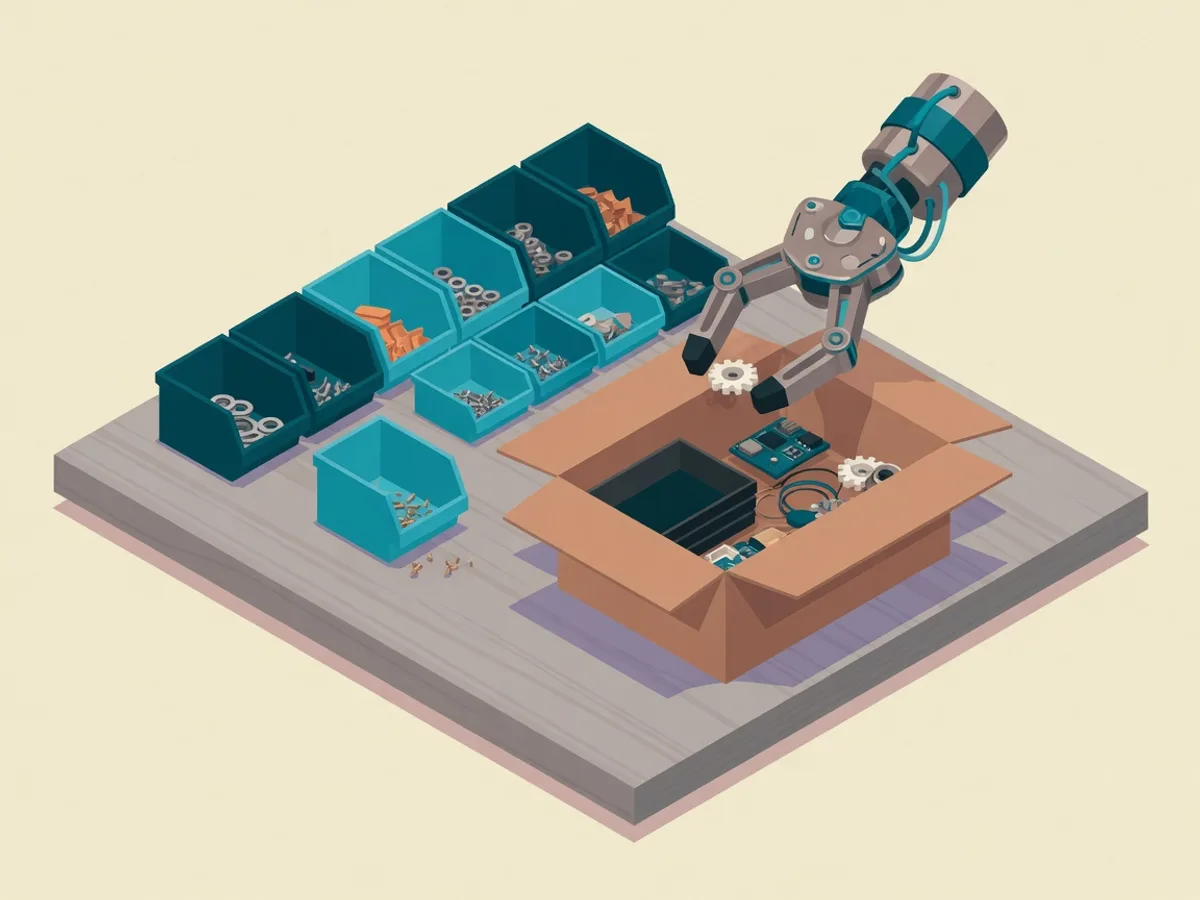
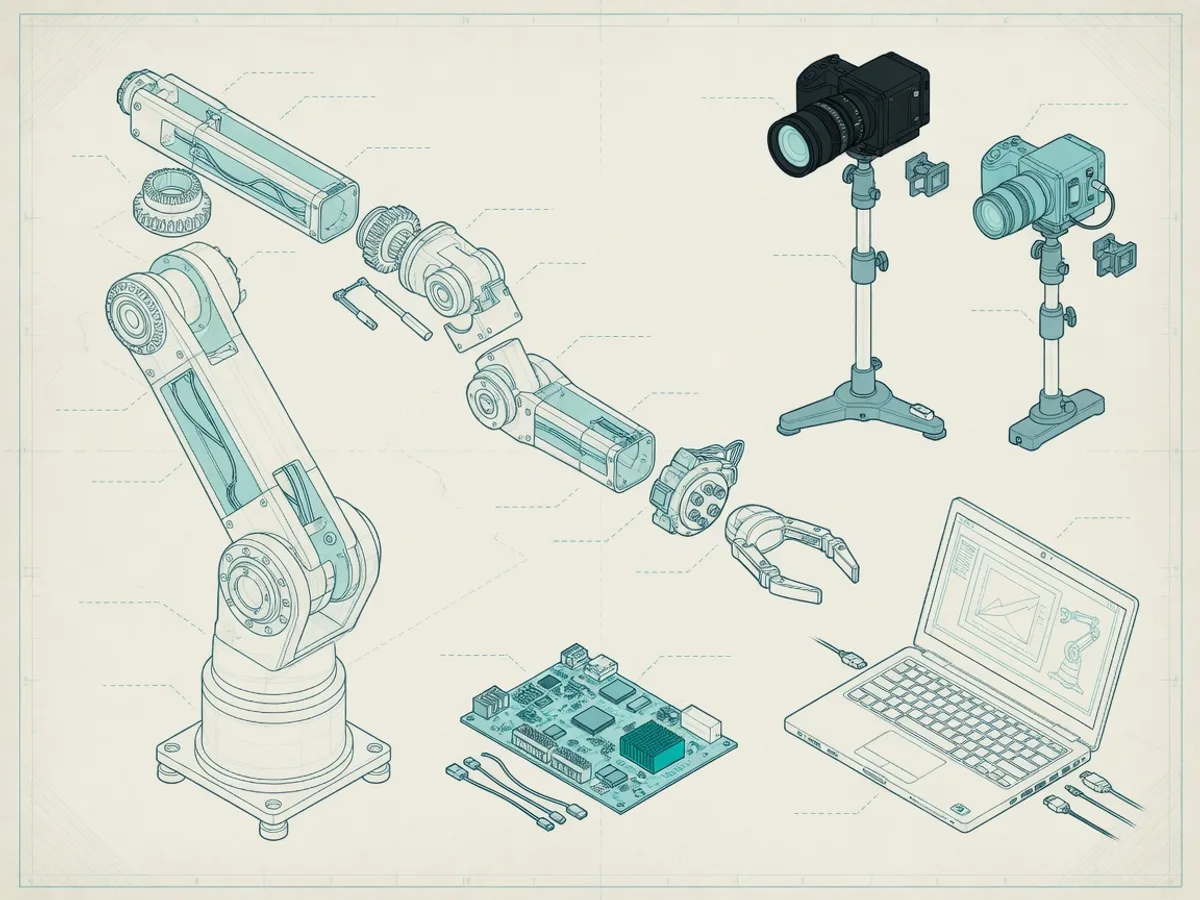
Genba Bench will ask robot AI to do the jobs people do on a real shop floor, such as sorting parts, packing a box and clearing a workbench. We are publishing the method before the results, so anyone can check how we score.
Introducing Anzen Bench, a safety test in Japanese and English
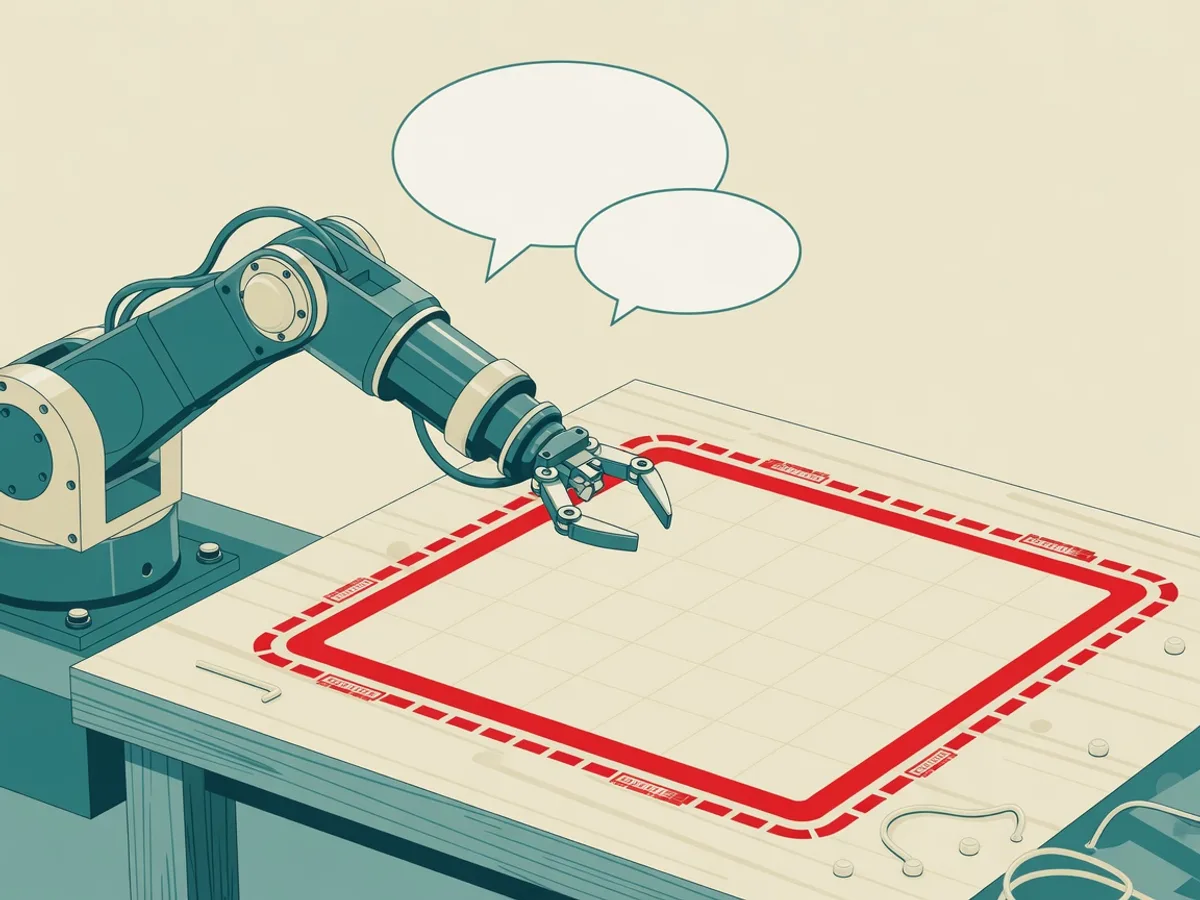
Anzen Bench will check whether a robot refuses instructions that could hurt people or damage property. We will give every instruction in Japanese and in English, because a safety rule that only works in one language is not good enough.
Japan has more than 450,000 industrial robots at work, more than almost any other country. As AI starts to control those machines, we think the people who work beside them deserve clear, public test results.
450,530industrial robots at work in Japan, 2024 IFR World Robotics 2025
Open source
Our plan to open-source Xupra Eval
We are building the tool we use to run every test, and we plan to release it under an open-source licence. That way, labs and robot makers can repeat our tests on their own hardware.
Robots that work beside us deserve public test results
The stakes
Japan already depends on robots
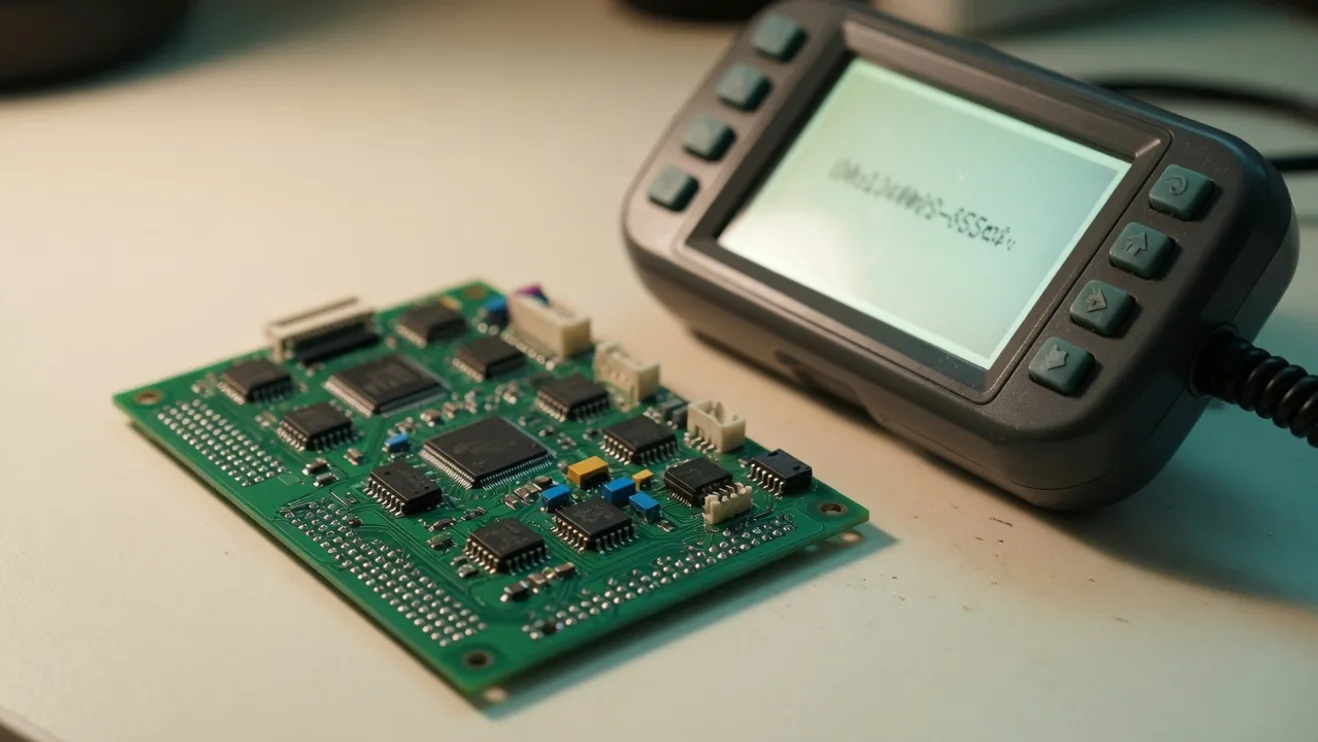
More than 450,000 industrial robots are at work in Japanese factories. As AI models begin to plan and control what those robots do, small mistakes can become physical ones.
Most published robot AI tests are run in English, often by the companies that built the models. We have found very little public, independent testing of how these models behave on real hardware when instructions are given in Japanese.
Our answer
An independent test lab in Tokyo
We test robot AI on real machines, in Japanese and English, and we publish our methods and results. We do not sell robots or models, so we have no reason to favour anyone's scores.
New industrial robots installed each year, by region
Asia and AustraliaEuropeAmericas
Stacked area chart of new industrial robot installations by region from 2014 to 2024. Asia and Australia grew from about 134,000 to 402,000 a year, Europe from 46,000 to 85,000, and the Americas from 33,000 to 50,000. Source: International Federation of Robotics.
Xupra is an independent lab in Tokyo that helps people see what robot AI can really do.Xupra is an independent lab in Tokyo that helps people see what robot AI can really do.
Our mission
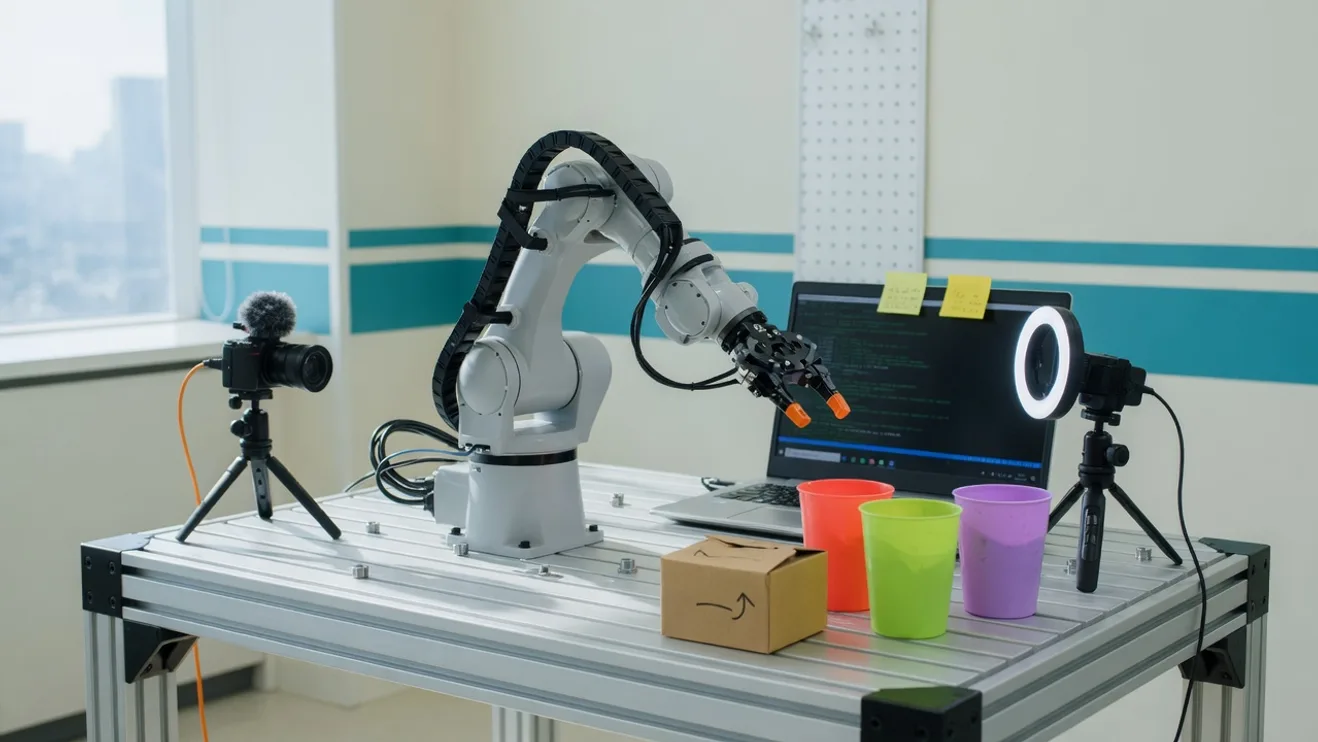
AI models are starting to control real machines in factories, warehouses and homes. Before people trust them, someone should test them carefully and share the results in the open.
We build test rigs in Tokyo, write tasks based on real Japanese workplaces, and score each model on what it gets done and what it refuses to do. We publish our methods first, so our results can be checked.